
No Wi-Fi? No Problem. Now Works with Cellular Only Setup
In today’s connected world, Wi-Fi has become the backbone of most smart home technologies. From thermostats to security cameras, nearly every device depends on an internet connection. But what happens when Wi-Fi isn’t available or reliable?
Enter cellular-only setups—a game-changer for homeowners who want uninterrupted solar energy monitoring and smart home integration without relying on traditional internet connections. This innovation ensures that homeowners in rural areas, regions with spotty internet, or households looking for backup solutions can still enjoy the benefits of modern technology.
Why Wi-Fi Isn’t Always Reliable
Rural and Remote Areas
Many homes in rural regions lack reliable broadband internet.
Frequent Outages
Wi-Fi is often disrupted by service provider issues, power outages, or weather events.
Security Risks
- Wi-Fi networks can be vulnerable to hacking if not secured properly.
- These issues highlight the need for alternative connectivity solutions—and that’s where cellular-enabled smart devices come in.
How Cellular-Only Smart Home & Solar Setups Work
- Cellular-enabled systems bypass Wi-Fi entirely, relying instead on 4G or 5G networks.
- Much like your smartphone, these systems connect directly to cell towers.
Solar Monitoring
Homeowners can track energy production and consumption via apps that connect to cellular-enabled inverters.
Smart Home Devices
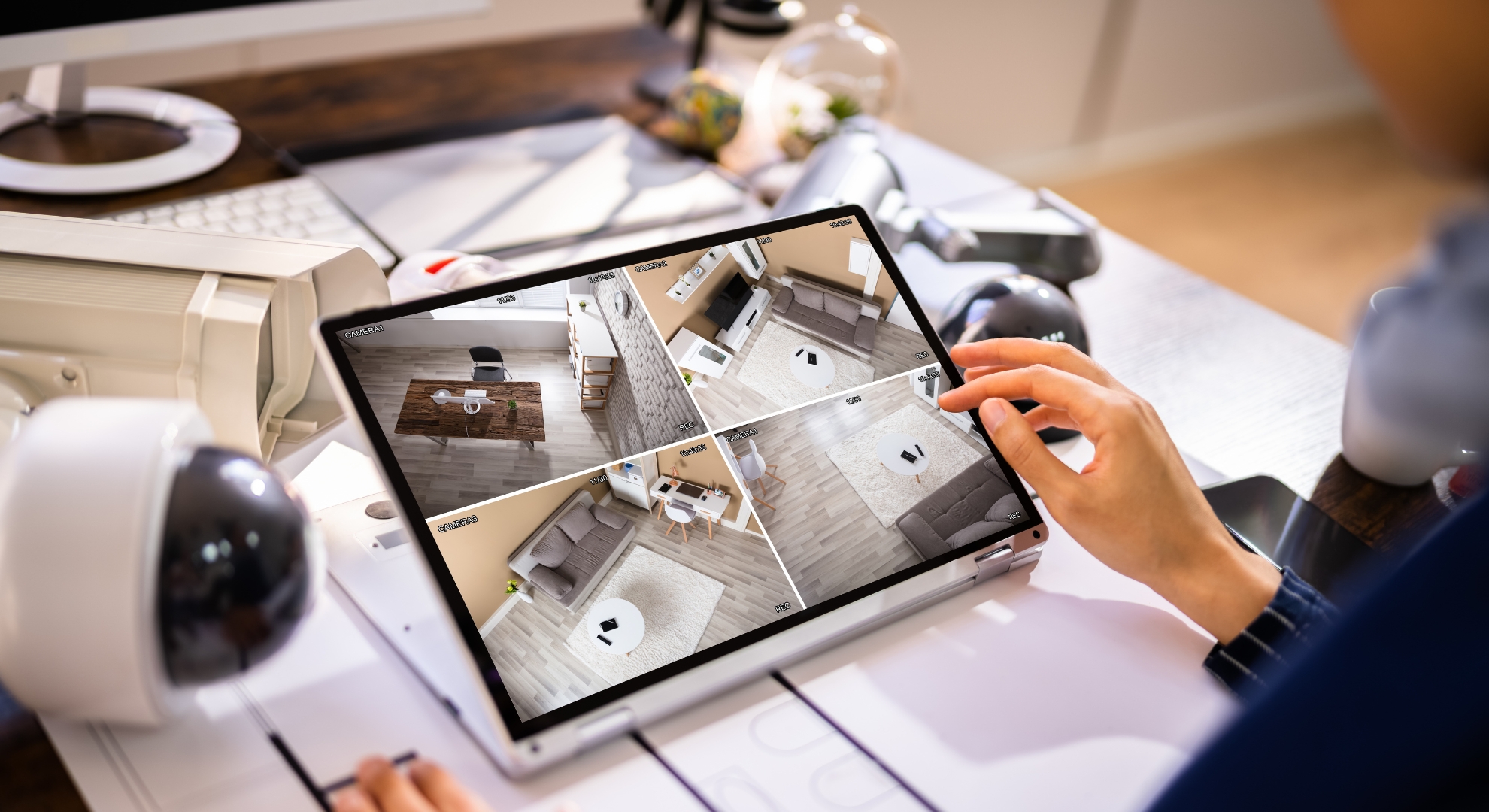
Security cameras, door locks, and thermostats now come with built-in cellular capabilities, ensuring functionality even during Wi-Fi outages.
Backup Energy Systems
When paired with solar + battery storage, cellular connections ensure homeowners can manage energy usage even in emergencies.
Benefits of Going Cellular
Uninterrupted Monitoring
Never lose access to energy tracking, even if your internet is down.
Greater Security
Data transmitted via cellular networks is encrypted and harder to intercept than unsecured Wi-Fi.
Accessibility
Expands smart home adoption to households without broadband access.
Resilience During Emergencies
Cellular remains functional during storms or outages when Wi-Fi might fail.
The Future of Smart Homes Without Wi-Fi
Common Devices That Work with Cellular
Solar inverters with built-in cellular modems; Home security systems (alarm panels, cameras, door sensors); Smart thermostats and energy management hubs; Backup generators with remote management features.
Dual Connectivity
With the rise of 5G technology, cellular connectivity is becoming faster, more stable, and more widely available. Experts predict that more devices will come with dual connectivity—working on Wi-Fi when available, but automatically switching to cellular when needed.
Conclusion
Homeowners no longer need to feel restricted by Wi-Fi availability. With cellular-only setups, solar and smart home technologies can operate seamlessly, providing consistent energy management, home security, and convenience—anytime, anywhere.